Astragalus
Tragant
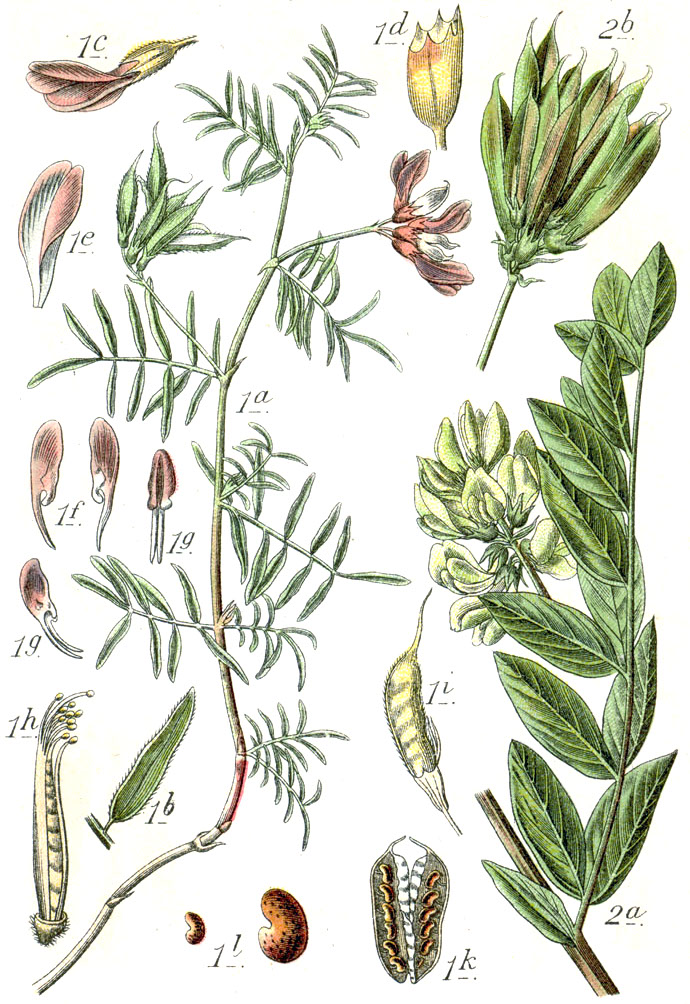
Astragalus (Astragalus membranaceus), Schmetterlingsblütler
Immunaktivierend: Astragalus root is renowned for its potential immune-boosting properties. It contains polysaccharides and saponins that may help stimulate the production of white blood cells, which could enhance the body’s ability to fend off infections and illnesses, potentially improving overallimmune function.
Antientzündlich: Astragalus root contains compounds with potential anti-inflammatory properties, which may help alleviate symptoms of inflammatory conditions such as arthritis and inflammatory bowel disease.
Antioxidativ: The antioxidant compounds found in Astragalus root may help neutralise free radicals, which could reduce oxidative damage to cells and tissues and potentially protect against chronic diseases and premature aging.
Diabetes: Research suggests that Astragalus root may help regulate blood sugar levels and could improve insulin sensitivity, making it a potential complimentary therapy for managing diabetes.
Vitalisierend: As a potential adaptogen, Astragalus root may help the body adapt to stress and fatigue, potentially promoting sustained energy levels andvitality. It is often used to potentially combat fatigue and could enhance physical endurance.
Anti-Aging: In TCM philosophy, Astragalus root is considered a tonic for longevity, potentially promoting overall vitality and resilience. Its potential antioxidant properties may help combat oxidative stress, thereby possibly slowing down the aging process and promoting longevity.
Herz-Kreislauf: Astragalus root has been studied for its potential cardiovascular benefits. It may help lower blood pressure, possibly improve blood flow, and could reduce inflammation, thus potentially supporting heart health.
Aktivkomponenten werden nur durch Herstellung eines Extrakts verfügbar:
getrocknete Astragalus-Wurzel (Scheiben oder Pulver) über Nacht wässern und anschließend 40 Minuten simmern (85°)
Dosierungsempfehlung:
präventiv: 8 – 10 g pro Tag
therapeutisch – bis zu 50 g pro Tag
Küche: Astragalus passt geschmacklich auch gut in die meisten Suppen und Soßen und kann auch als Soßenbinder verwendet werden.
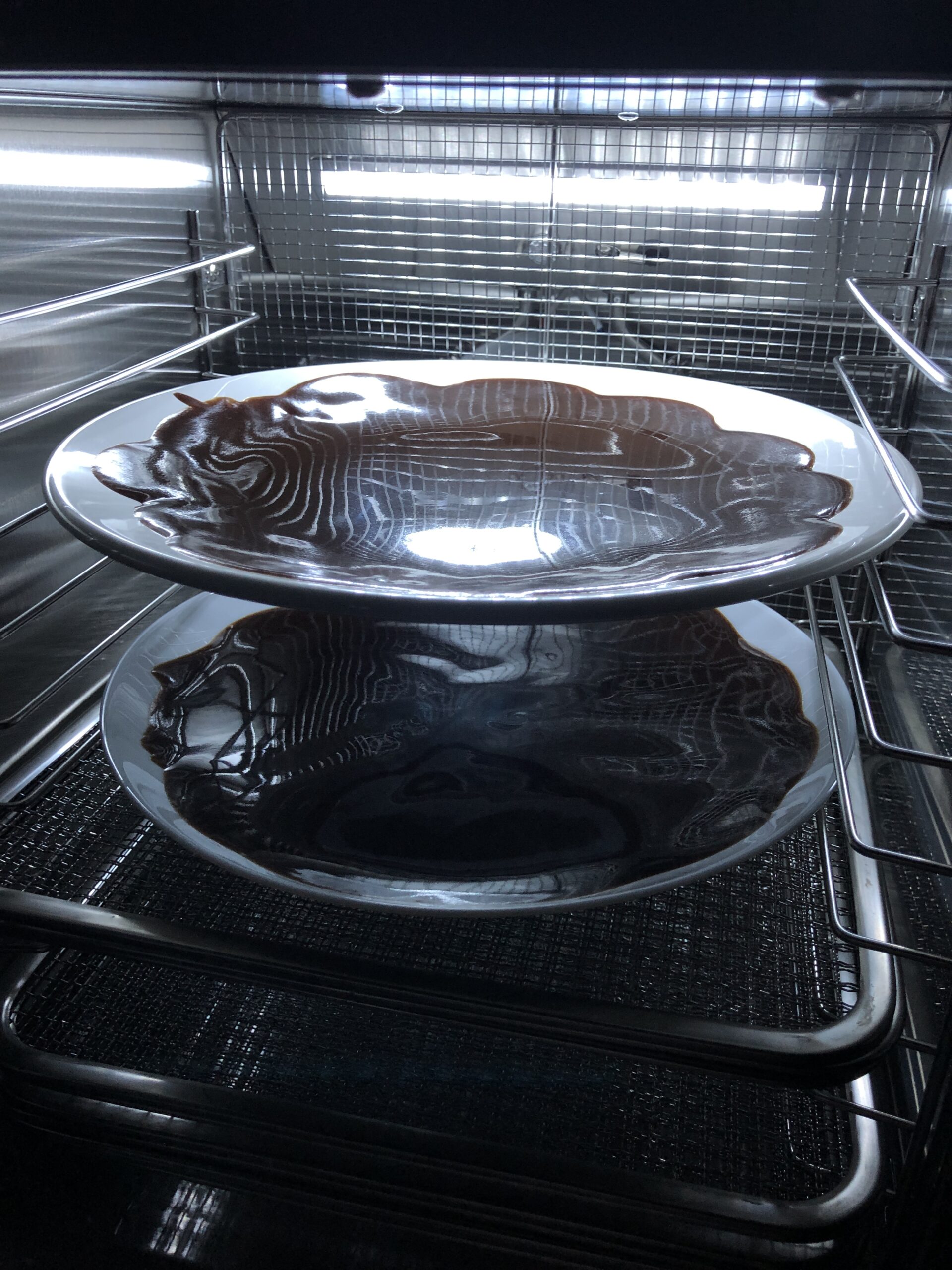
Um die Aktivkomponenten zu extrahieren: Astragalus Wurzelpulver mit Wasser aufgießen und bei maximal 85° und über mindestens 45 Minuten einreduzieren. Dickflüssige Reduktion auf Teller geben und im (Dörr-)Ofen trocknen.
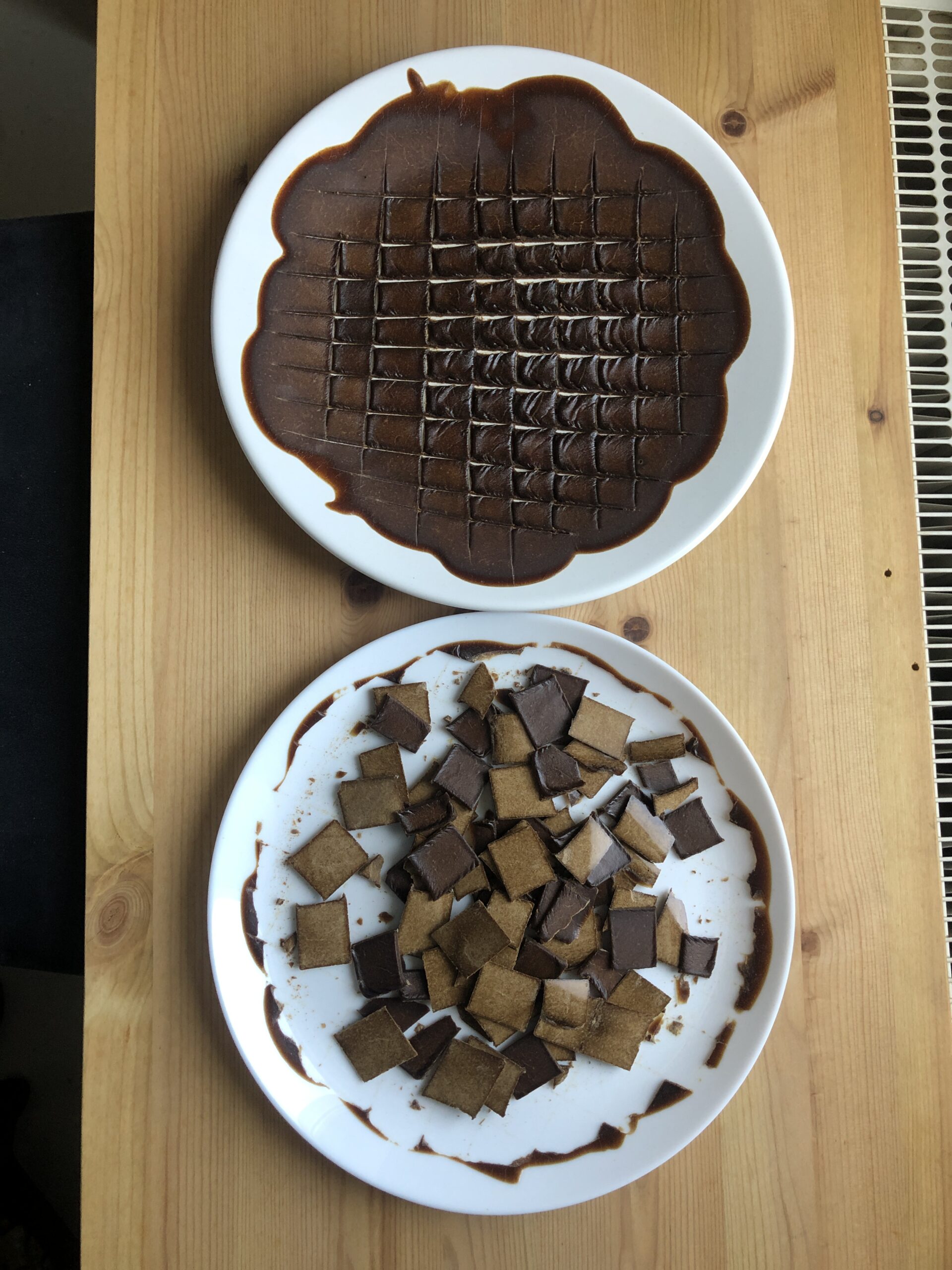
Wenn festere Konsistenz erreicht – bevor die Masse vollständig durchgetrocknet ist – einritzen und fertigtrocknen. Stückchen vom Teller lösen.
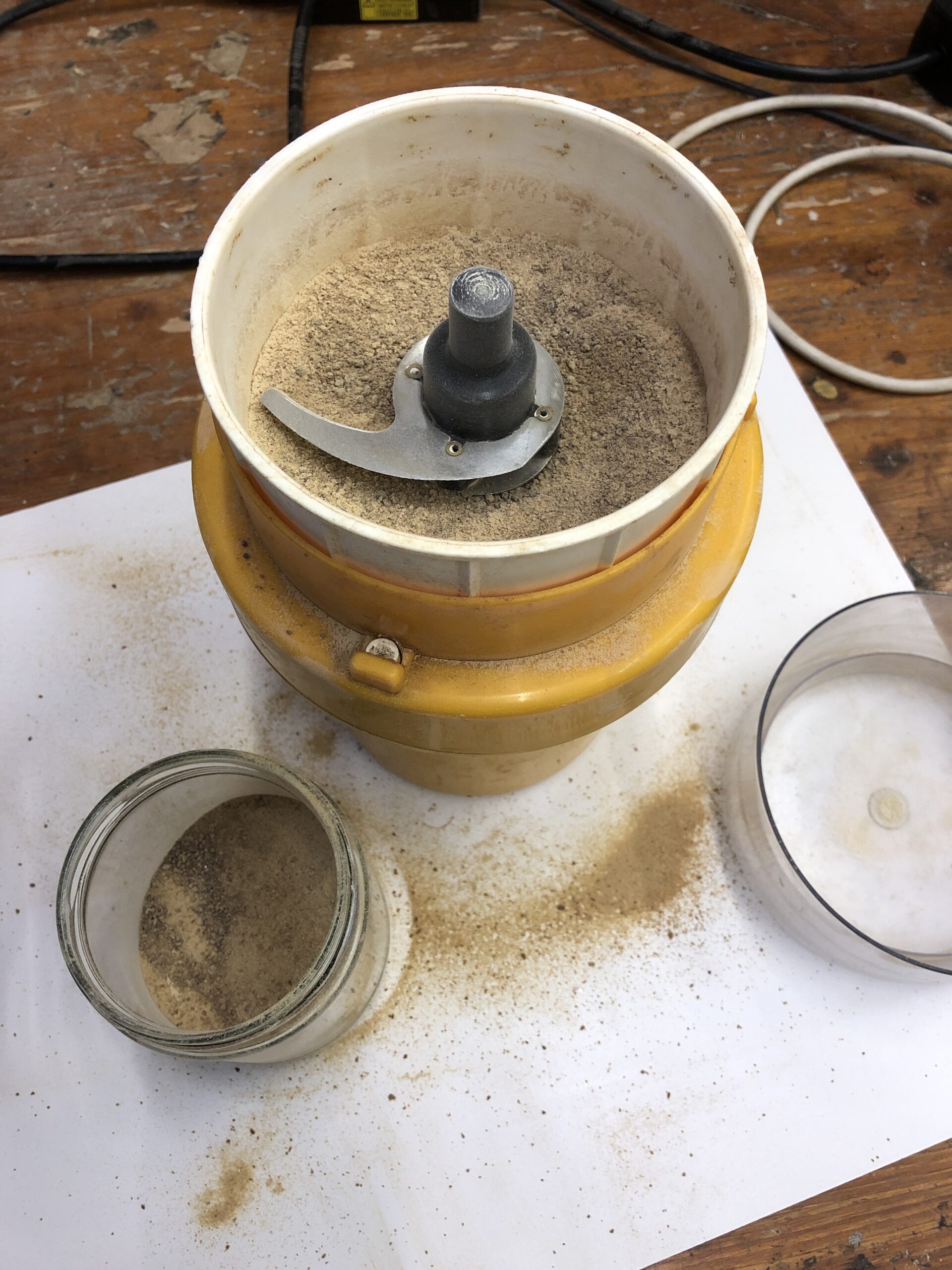
Stückchen im Mixer zu Extrakt-Pulver verarbeiten.